Many founders believe they need a finished product before testing their idea. But these eight companies showed that is not true. They started with the simplest version of their idea, gathered real feedback, and used it to build something people wanted.
The result is that some of these companies are now among the most well-known in the world.
What is an MVP?
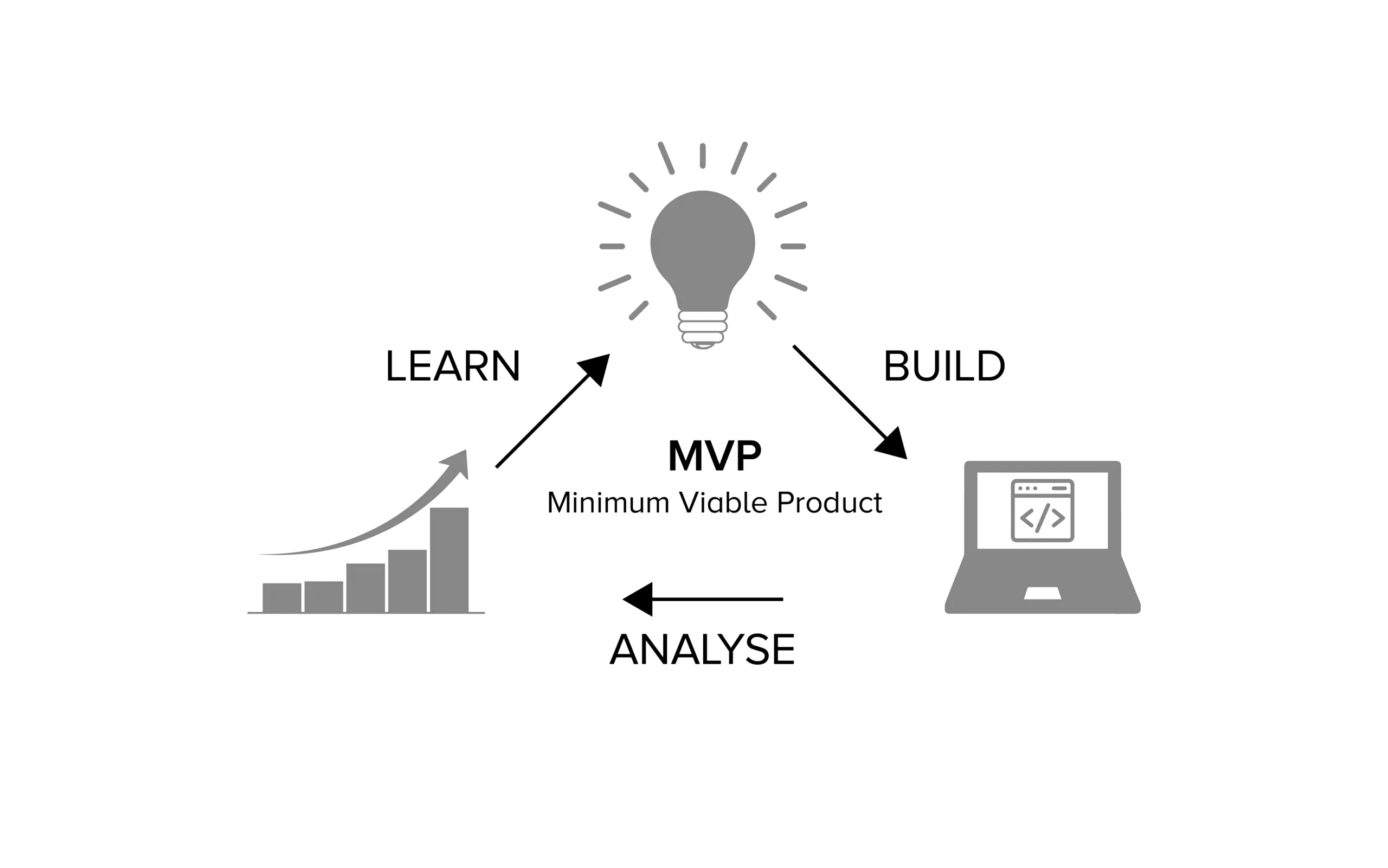
A Minimum Viable Product (MVP) is the smallest version of your product that lets you test your core idea with real users. It is not a half-built app. It is not a beta launch. It is a deliberate experiment designed to answer one question: Does anyone want this?
Many founders skip this step. They spend months building features, polishing designs, and writing code — only to find out nobody wanted what they built. The companies below did the opposite. They tested first, built second.
1. Dropbox: The Video That Validated Everything
The Problem
Drew Houston kept forgetting his USB drive. He wanted a simple way to sync files across computers, but the existing tools were painful to use. He believed millions of other people had the same frustration.
The MVP
Houston did not build a product first. He made a three-minute demo video showing how Dropbox would work — screen recordings, narration, and a simple walkthrough of the idea. The product did not exist yet.
He posted the video on Hacker News.
The First Signal
Overnight, signups for the waitlist grew from 5,000 to 75,000. That was the signal he needed. People wanted this. They did not need to see a working app; just the idea was enough to get them interested.
What He Built
Houston used that waitlist as proof of demand and raised funding to build the real product. Dropbox launched publicly in 2008 and reached 1 million users in just seven months.
The Lesson
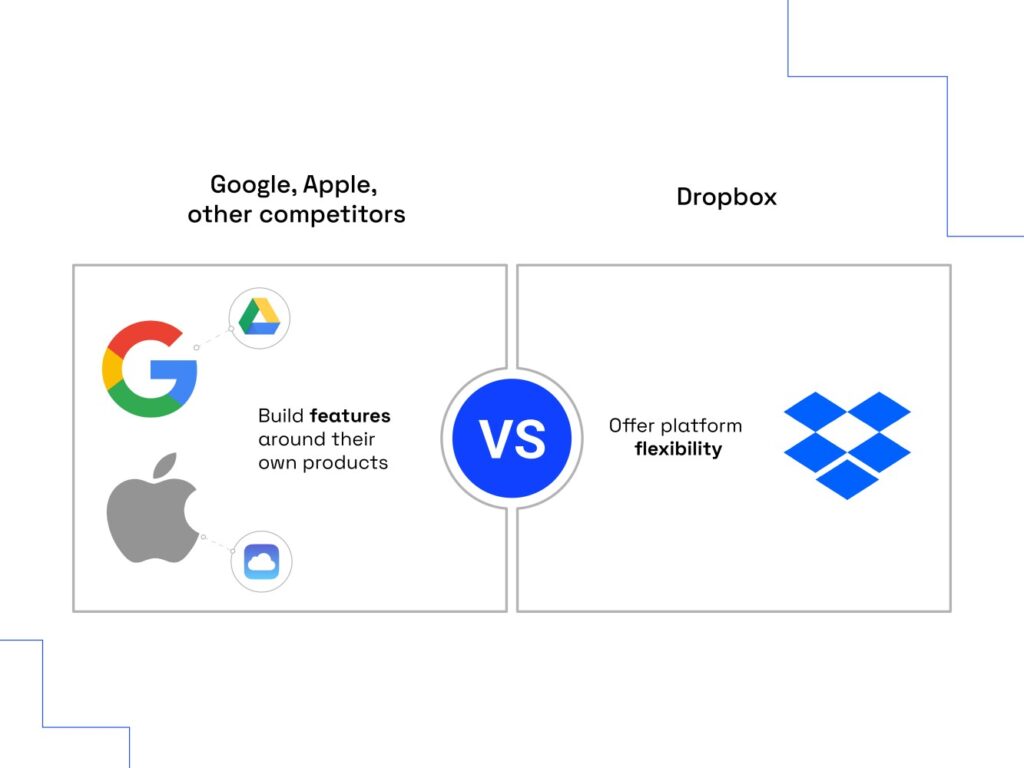
You do not need a working product to test demand. Sometimes a clear explanation of the idea is enough to determine whether people care.
2. Airbnb: Renting Air Mattresses to Pay the Rent
The Problem
Brian Chesky and Joe Gebbia were behind on rent in San Francisco. A big design conference was coming to town and hotels were fully booked. They had a spare room — actually, just some floor space and a few air mattresses.
The MVP
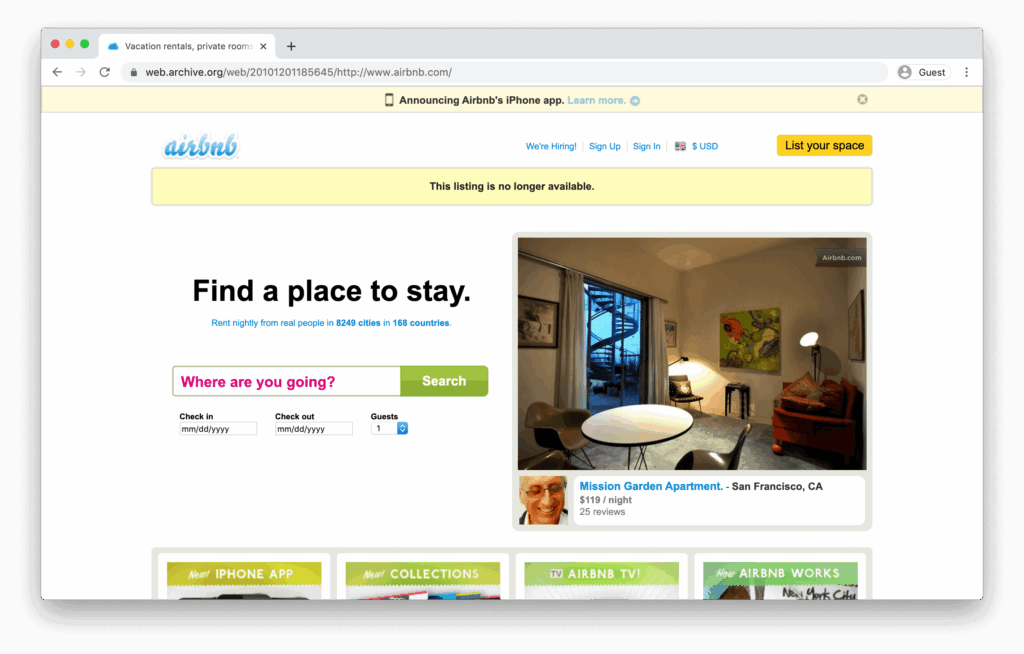
They built a bare-bones website called “Air Bed and Breakfast.” No fancy booking system, no payment processing, no trust features. Just photos of their apartment, a description, and a contact email. They charged $80 a night.
Three people booked it.
The First Signal
Those three guests paid, stayed, and had a good experience. Chesky and Gebbia got their rent money and learned something more important: strangers would pay to sleep in someone else’s home if the price was right.
What They Built
They kept the site running, began listing other people’s homes, and even helped early hosts take better photos by hiring photographers. That step did not scale, but it did not have to. It showed them that good photos made a real difference in bookings.
Airbnb is now valued at over $75 billion.
The Lesson
A real transaction with real customers is more valuable than any amount of market research. Chesky and Gebbia did not run surveys; they simply rented out their floor.
3. Buffer: A Fake Button That Proved Real Demand
The Problem
Joel Gascoigne wanted to build a tool that let people schedule social media posts in advance. Before spending months coding it, he wanted to know if anyone would pay for it.
The MVP
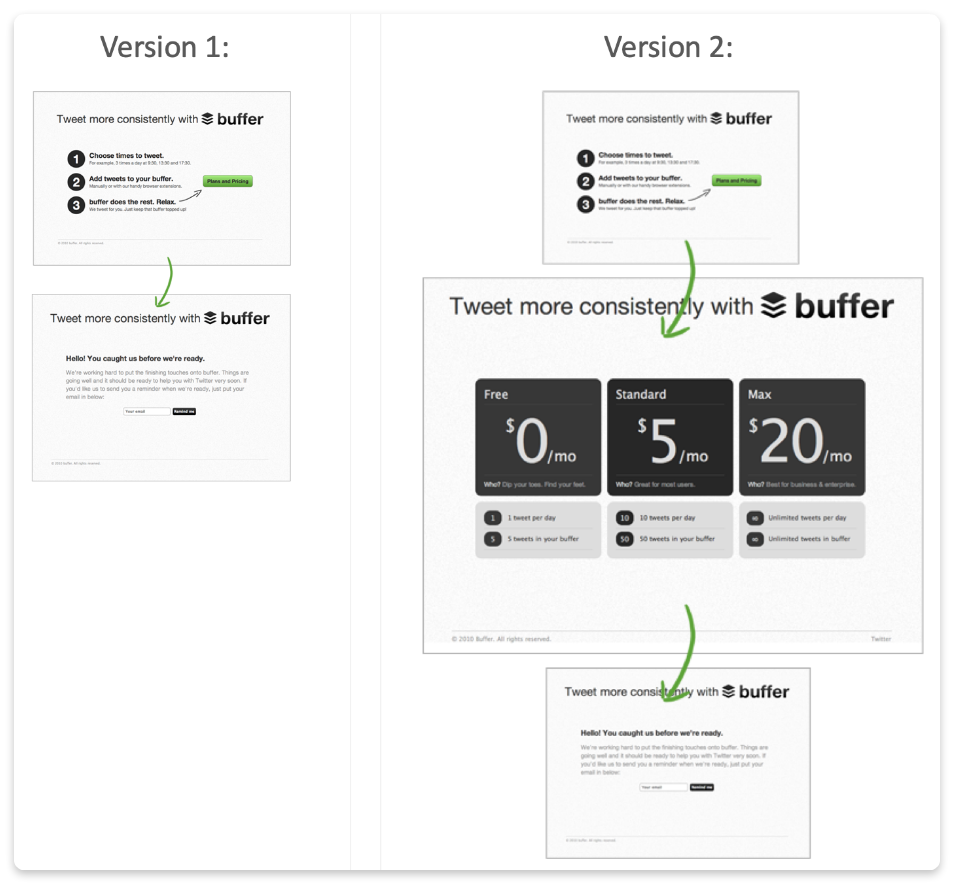
He built a two-page website. The first page described what Buffer would do. The second page showed pricing plans. There was a “Sign Up”button, but clicking it led to a message saying the product wasn’t ready yet and asking for an email address.
He sent the link to a few people and watched what happened.
The First Signal
People clicked through to the pricing page. People clicked the signup button. One person even emailed asking when it would be ready. That was enough. Gascoigne knew the demand was there.
He added a third page, this time with actual pricing and a real signup form. Within a few weeks, people were paying for a product he had barely started building.
What He Built
Buffer launched as a real product and grew into a multi-million dollar company with over 80,000 customers. It is still running today as one of the top social media management tools.
The Lesson
A landing page with a fake button costs almost nothing to build. It can tell you more about demand in a week than months of MVP development would.
4. Zappos: Selling Shoes Without Owning Any
The Problem
Nick Swinmurn had a hunch that people would buy shoes online. In 1999, that was not an obvious idea. Nobody knew if customers would trust shoe sizes online or buy without trying shoes on first.
The MVP
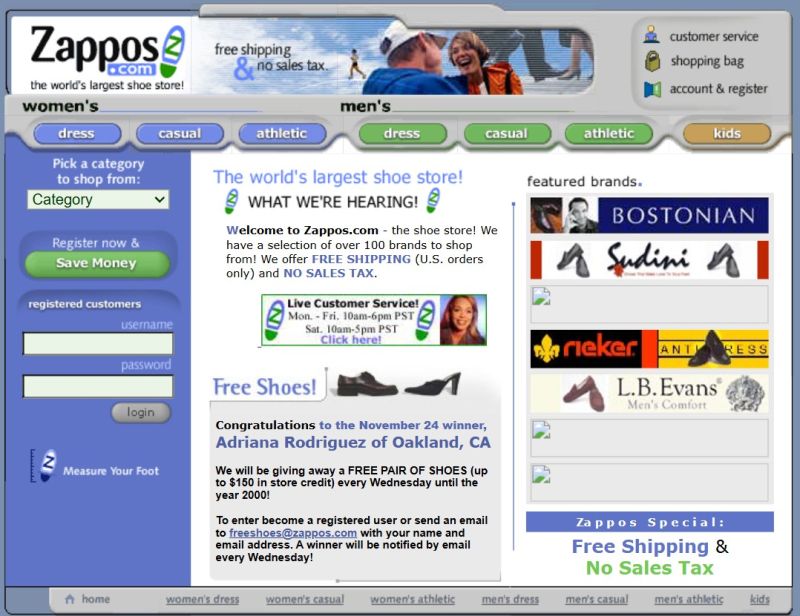
Swinmurn walked into local shoe stores and asked if he could photograph their inventory. He posted the photos on a simple website called Shoesite.com. He did not own any of the shoes. He had no warehouse. He had no inventory system.
When someone placed an order, he went back to the store, bought the shoes at retail price, and shipped them himself.
The First Signal
Orders started coming in. People bought shoes online. The basic question was answered: yes, customers would buy shoes they had never touched or tried on.
He was losing money on each sale — buying at retail and charging retail meant zero margin. But that was not the point. The point was proven.
What He Built
Swinmurn brought in Tony Hsieh as CEO, raised funding, built real inventory and logistics, and eventually sold Zappos to Amazon in 2009 for $1.2 billion.
The Lesson
Proof of concept does not need to be profitable. Swinmurn lost money on purpose so he could answer one important question cleanly.
5. Groupon: A WordPress Blog and a PDF
The Problem
Andrew Mason wanted to build a platform where businesses could offer group discounts. These deals would only activate once enough people signed up. He called it “the power of we.”
The MVP
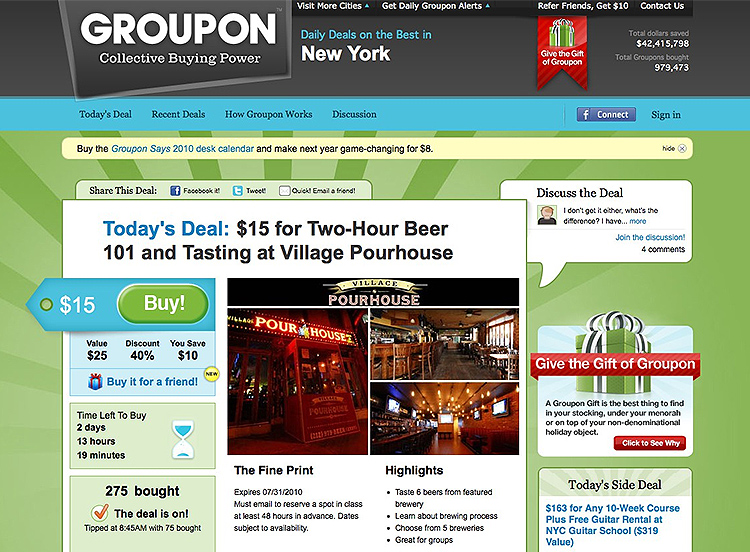
The first version of Groupon was not an app or a marketplace. It was a WordPress blog. The first deal was a pizza place on the ground floor of Mason’s office building. He offered two pizzas for the price of one, manually emailed everyone who signed up, and sent PDFs as the “coupons.”
The First Signal
Twenty people bought the deal. That was the whole test. A small group of real customers had paid money for a time-sensitive group deal. The concept worked at a tiny scale.
What He Built
Mason kept running deals manually, city by city, building an email list as he went. Within two years, Groupon was the fastest-growing company in history, reaching $1 billion in revenue faster than any company before it.
The Lesson
The first version of a marketplace does not need to be a marketplace. A blog, some emails, and a PDF can test the core idea.
6. Spotify: One Song in Stockholm
The Problem
Daniel Ek and Martin Lorentzon believed people would stream music rather than download it — but they were unsure whether the technology would work well enough. Buffering and lag had killed earlier attempts at streaming. The experience had to feel instant.
The MVP
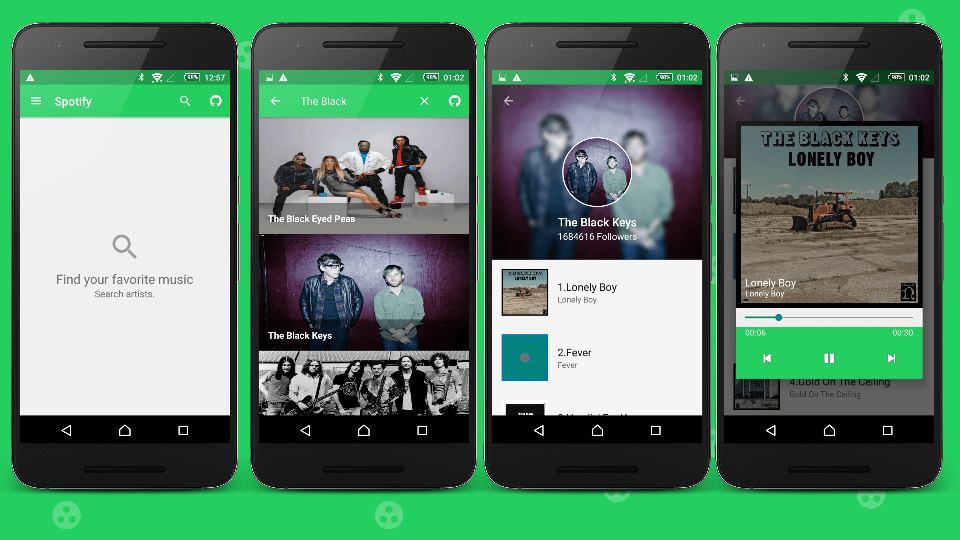
Before building a full catalog, Ek focused on one thing: could they stream a single song with no noticeable delay? He spent months making sure playback felt as fast as playing a local file. The entire MVP was about proving that one technical claim, not the business model or the size of the library.
He and Lorentzon shared early builds with a small group of friends and colleagues in Stockholm, watching how they reacted to the speed.
The First Signal
People were surprised. It felt instant. That genuine reaction showed them they had solved the core problem.
What They Built
Spotify launched publicly in 2008 with a limited invite system to control growth. It now has over 600 million users and has changed how the entire music industry works.
The Lesson
Sometimes the MVP is about proving a technical claim rather than a business idea. Ek did not test the market first — he tested whether the product could actually do what he said it would.
7. DoorDash: A Static Website and Personal Cell Phones

The Problem
Four Stanford students, Tony Xu, Stanley Tang, Andy Fang, and Evan Moore, noticed that small restaurants in Palo Alto had no way to offer delivery. The restaurants wanted delivery, but building a delivery operation from scratch was too expensive for most of them.
The MVP
The team built a basic website, PaloAltoDelivery.com, in about an hour. They photographed menus from local restaurants — without asking the restaurants first — and listed them on the site. There was a phone number at the top.
That number went to one of the founders’ cell phones.
When someone called to place an order, a founder would go to the restaurant, buy the food, and deliver it to the customer himself.
The First Signal
Orders came in. The manual process was difficult and did not scale, but that was fine. Within a few weeks, the team confirmed that customers wanted restaurant delivery and that restaurants were willing to partner with them.
What They Built
DoorDash raised $2.4 million in seed funding and went on to become the largest food delivery service in the US, going public in 2020 at a valuation of $39 billion.
The Lesson
The founders chose to do things that did not scale. Delivering food themselves gave them direct contact with customers and restaurants, and that information was more valuable than any automation at that stage.
8. Amazon: Just Books
The Problem
Jeff Bezos wanted to build an “everything store,” a place where you could buy anything online. But starting with everything was not realistic. He needed to pick one category first.
The MVP
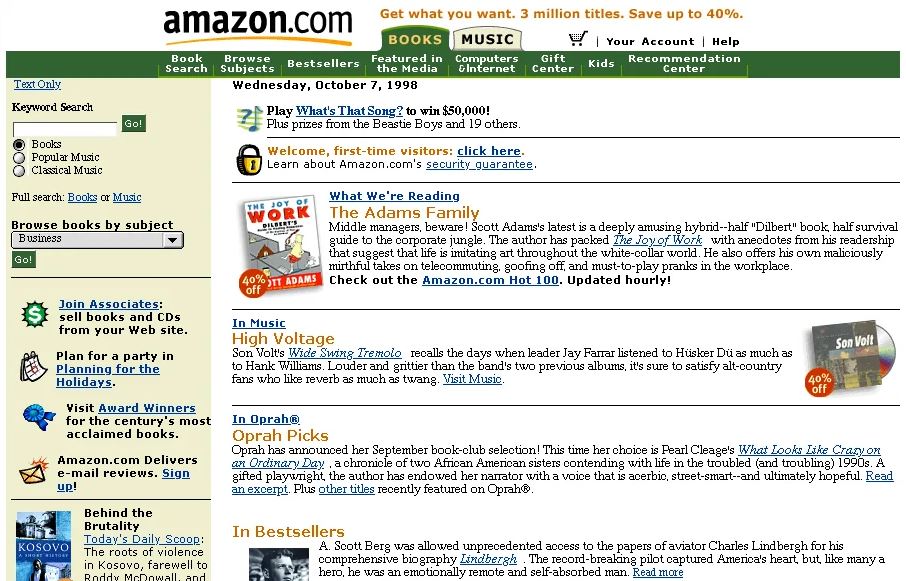
Bezos chose books because the catalog was enormous, the products were easy to ship, and prices were consistent. He started Amazon out of his garage in Bellevue, Washington, in 1994. The website listed books. He packed and shipped them himself. His wife, MacKenzie, helped with the orders.
There was no recommendation engine, no Prime shipping, and no Alexa. It was just a website that sold books and a garage full of boxes.
The First Signal
In the first month, Amazon had orders from all 50 US states and 45 countries. Bezos had not advertised. Word spread on its own. People wanted to buy books online.
What He Built
Amazon added music and DVDs next, then electronics, then everything else. Today it is one of the most valuable companies in the world, with revenue exceeding $500 billion per year.
The Lesson
Starting small does not mean thinking small. Bezos always planned to sell everything, but he began with one thing he could do well and learn from.
Patterns Across All Eight Stories
Looking at these eight companies together, a few things stand out.
- They all moved quickly. Most of these MVPs were built in days or weeks, not months. The goal was to show something to real customers as soon as possible, not to build something impressive.
- They all did things that did not scale. Airbnb sent photographers to apartments. DoorDash founders delivered food in their own cars. Zappos bought shoes at retail and mailed them one by one. None of those actions could run a real business — but they did not need to. They just needed to answer a question.
- They all looked for behavior, not opinions. These founders did not ask people if they liked the idea. They watched what people actually did. Did they sign up? Did they pay? Did they come back? Actions are honest. Opinions are not.
- They all started with a rough first version. A WordPress blog, a simple website, a fake button, or a short video. None of these would impress anyone at a demo day, but each one did exactly what was needed.
Common MVP Mistakes
Most founders do the opposite of what these companies did.
- Building too much. Many founders spend 6 months building features before talking to a single customer. By the time they launch, the market has moved, or they have built the wrong thing entirely.
- Measuring the wrong thing. Traffic is not validation. Newsletter signups are not validation. The only metric that matters early on is whether real customers take real action, such as signing up with a credit card, placing an order, or coming back.
- Building for themselves. Founders often solve their own problem and assume others have it too. Talking to ten potential customers before writing any code is one of the most valuable things a founder can do.
- Hiding behind stealth mode. Keeping an idea secret to avoid competition is usually a way to avoid the harder truth: testing whether anyone cares. Most ideas are not stolen. Most ideas fail because nobody wants them.
How to Apply This to Your Own MVP
Before building anything, answer these three questions:
- What is the one thing my product does better than anyone else? That is the core of your MVP. Remove everything else.
- What would a real customer have to do to prove this works? Not “sign up for updates.” Pay money. Book a time. Come back. Define the action before you build.
- What is the quickest way I can make that action possible? Could you do it manually for your first ten customers? Could a landing page test it? Could a video show the concept before the product exists?
The answers will point you toward your MVP.
The Common Thread
Every company in this article had one thing in common: a founder who believed in a specific idea and was willing to risk looking a bit awkward to find out if they were right.
None of them waited until they were ready. None of them was built in secret. None of them needed a perfect product to get their first customer.
The MVP is not the product; it is the question. Build the smallest thing that can answer it, and then pay close attention to what the answer tells you.