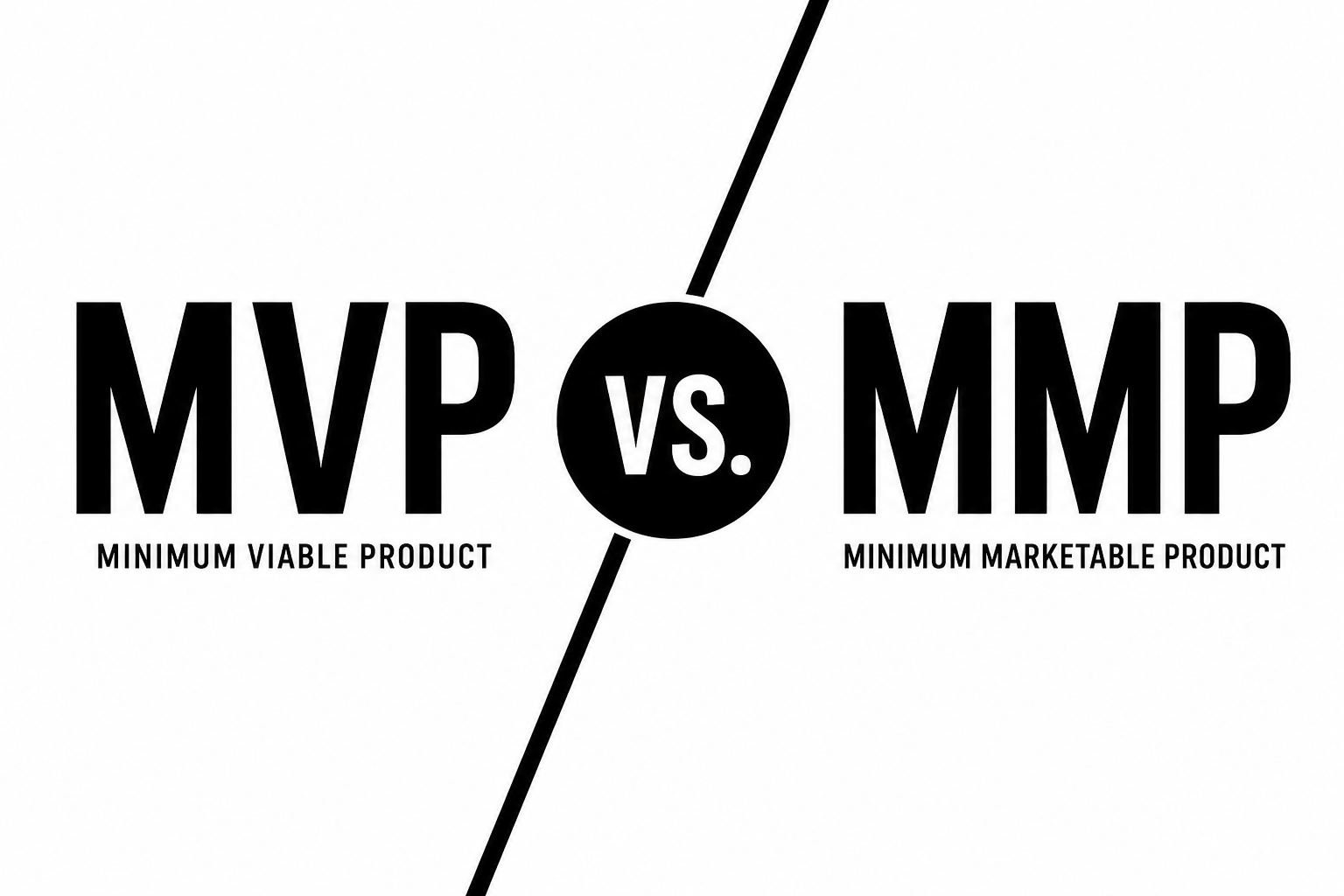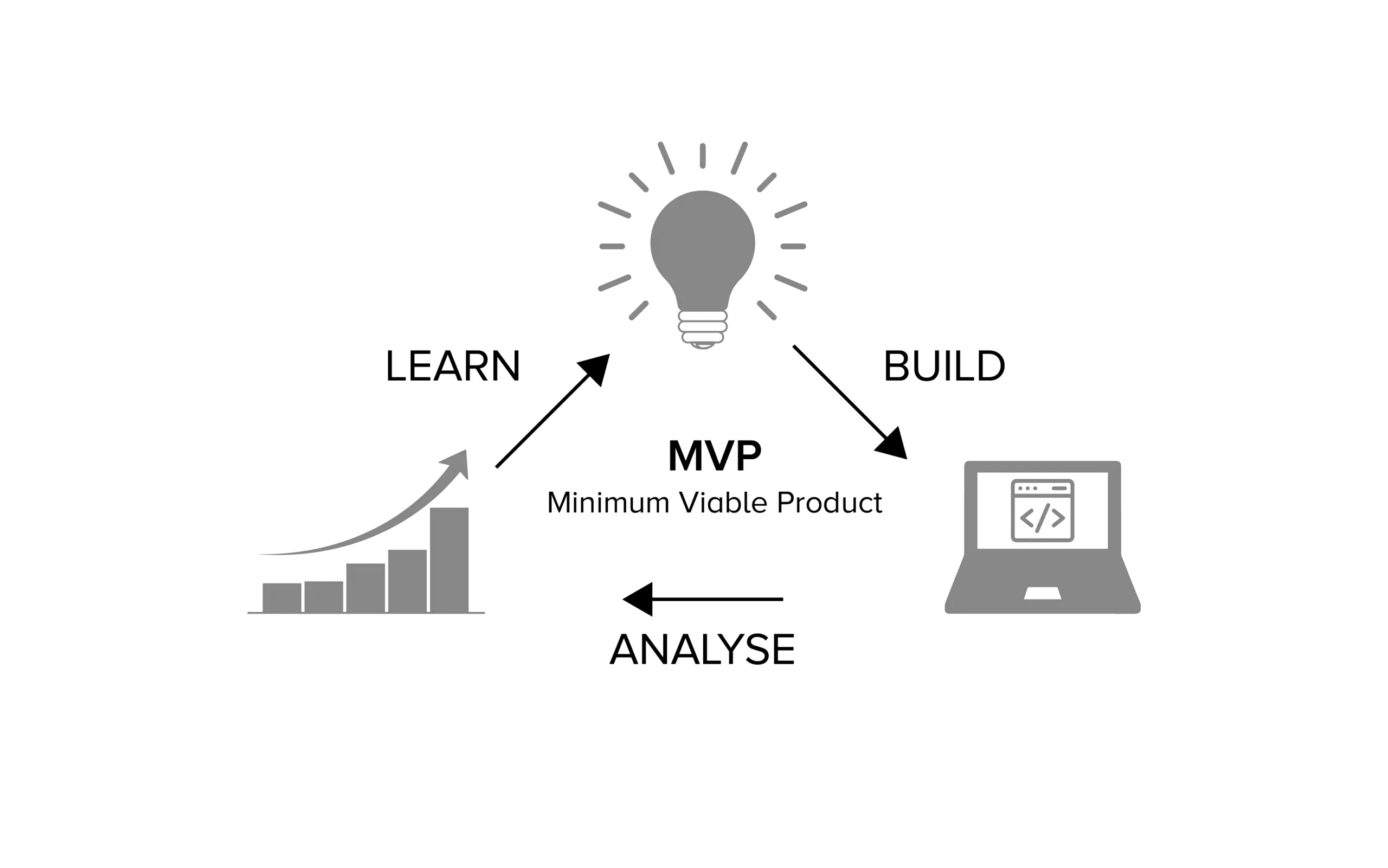
Finding the right MVP development company can make or break your launch timeline and your budget.
A strong partner saves you months of wasted work and keeps your costs predictable. A weak one burns through your runway on features nobody asked for, leaving you with a product that needs a full rebuild before it can scale.
This list ranks 20 companies based on track record, client reviews, pricing transparency, and how well they fit different startup needs.
We drew on real client feedback, public case studies, and pricing data rather than relying solely on marketing pages. Some of these companies focus on speed, some focus on design, and others bring deep experience in regulated industries like fintech and healthcare.
MVPfy, the MVP development agency, tops the list for its full-cycle approach, bringing strategy, design, and development under one team rather than forcing founders to manage separate vendors.
The rest of the list covers a wide range of budgets, industries, and team sizes, so you can compare options side by side and find the right fit for your project, timeline, and stage of growth.
How We Picked These MVP Development Companies?
We reviewed each company using criteria that matter to founders, not just marketing claims.
We checked how long each company has been building MVPs and how many products they’ve launched. Companies with only a few projects are riskier than those with hundreds of successful launches.
We also considered client reviews from sites like Clutch and GoodFirms. Instead of focusing on just one or two positive testimonials, we looked for patterns across many reviews, since a single review can be misleading.
We looked at which industries each company serves.
For example, a team specializing in fintech apps handles compliance and security differently than one focused on content platforms.
So, industry fit is just as important as technical skill.
We also considered how transparent companies are about pricing.
Those that share clear rate ranges or give straightforward quotes scored higher than companies that stay vague until after a sales call.
Finally, we checked if each company offers support after launch. MVPs often need updates after going live, so it’s important to have a partner who sticks around instead of leaving you on your own after the first version.
Quick Comparison Table
| Company | Work Module | Pricing | Specialty |
|---|---|---|---|
| MVPfy.co | Remote/Global | $15,000+ | Full-cycle MVP build with strategy and design included |
| Netguru | Poland/Global | $50,000+ | Large-scale products with enterprise clients |
| Upsilon | Ukraine/US | $30,000+ | AI integration and discovery-led projects |
| STRV | US/Europe | $50,000+ | Mobile-first products with strong UX |
| Asper Brothers | Poland | $25,000+ | Fast, fixed-price MVPs in 4-6 weeks |
| Wavespace | Global | $20,000+ | Design-led MVP validation |
| SumatoSoft | Belarus/US | $30,000+ | Full-cycle builds with growth support |
| Brocoders | Ukraine | $20,000+ | Founders who want scope discipline |
| TRIARE | Ukraine | $25,000+ | Business hypothesis-driven MVPs |
| Innowise | Poland | $30,000+ | MVPs that scale into full products |
| ELEKS | Ukraine | $50,000+ | Enterprise-grade software builds |
| Vention | US/Latin America | $50,000+ | Fintech and healthtech products |
| Chisel | US | $20,000+ | Design-first prototyping and testing |
| Superside | US/Global | $15,000+ | Branding and creative assets for MVPs |
| Mercury Development | US/Eastern Europe | $40,000+ | Enterprise MVP solutions |
| DockYard | US | $40,000+ | Digital product builds for startups |
| Sidebench | US | $30,000+ | User-centered validation and design |
| Cheesecake Labs | US/Brazil | $25,000+ | Mobile and web MVP builds |
| TouchZen Media | US | $40,000+ | Senior-only mobile app teams |
| Quixta | India | $10,000+ | Affordable full-cycle web apps |
Prices change frequently, so use these as starting points and check current rates directly with each company.
The Top 20 MVP Development Companies

1. MVPfy.co
MVPfy – MVP development company is designed for founders who want a single team to handle everything from idea to launch, rather than hiring separate vendors for strategy, design, and coding. They focus on early-stage startups that need help deciding what to build, not just someone to write code after the plan is set.
Their team handles product strategy, UI/UX design, and full-stack development all in one place. This reduces the back-and-forth that comes with managing multiple vendors. They usually start with a discovery phase to identify the main problem before writing any code.
Thier MVP Development Pricing starts at about $15,000, making MVPfy.co more accessible to early-stage founders with smaller budgets than some enterprise-focused agencies.
The main advantage is having both strategy and execution handled by one MVP development team. This setup is especially helpful for founders without a technical co-founder or a clear product plan.
One thing to note: founders who already have a detailed product plan and just need coding might find a pure development shop more cost-effective.
But if you’re starting from an early idea, MVPfy, the full-cycle MVP partner, saves you time by handling coordination that can slow down other approaches.
2. Netguru
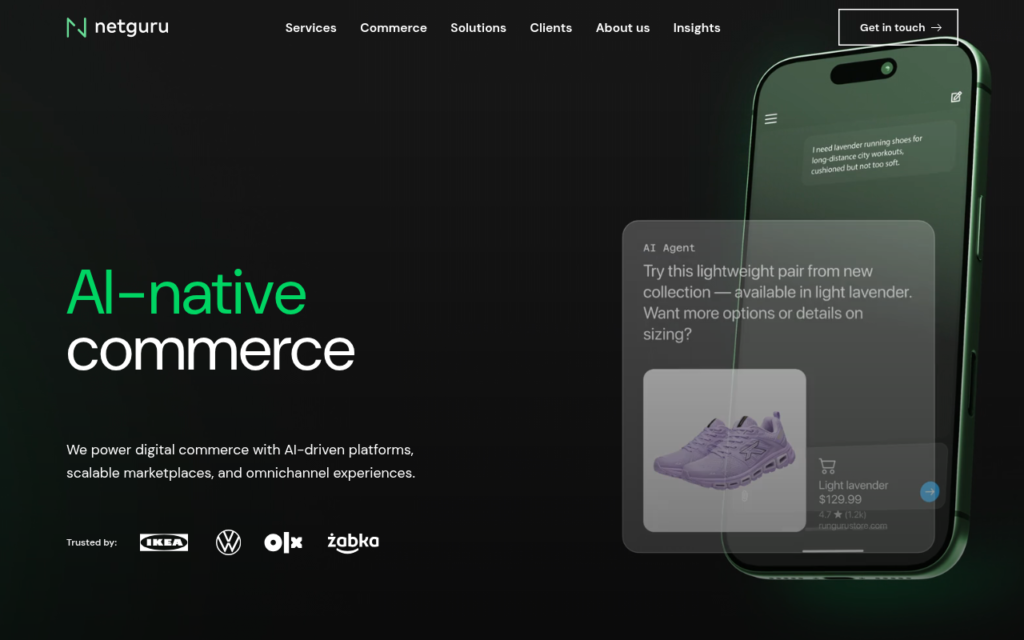
Netguru has shipped more than 2,500 projects across 50 countries since 2008, and their client list includes IKEA, Volkswagen, and Vinted. With 70+ reviews on Clutch, they have one of the largest independent feedback datasets among MVP agencies.
Their process runs through five phases:
- an initial discovery sprint,
- UX research,
- event storming to map out business logic,
- iterative development, and launch.
- They use a Double Diamond model paired with build-measure-learn cycles, which keeps the focus on testing assumptions early.
The tech stack leans toward speed, with React Native, Firebase, Ruby on Rails, AWS Serverless, and React.js making up most of their toolkit.
One client project delivered an MVP for a music sampling platform in 2 months, with full multilingual support. Another fintech app shipped on iOS and Android in five weeks.
Netguru fits founders who want a large, established team with enterprise-level process discipline. The size of the company means more layers of process, which can feel slower for very small projects, but it also means more backup and stability if your MVP needs to scale fast after launch.
3. Upsilon
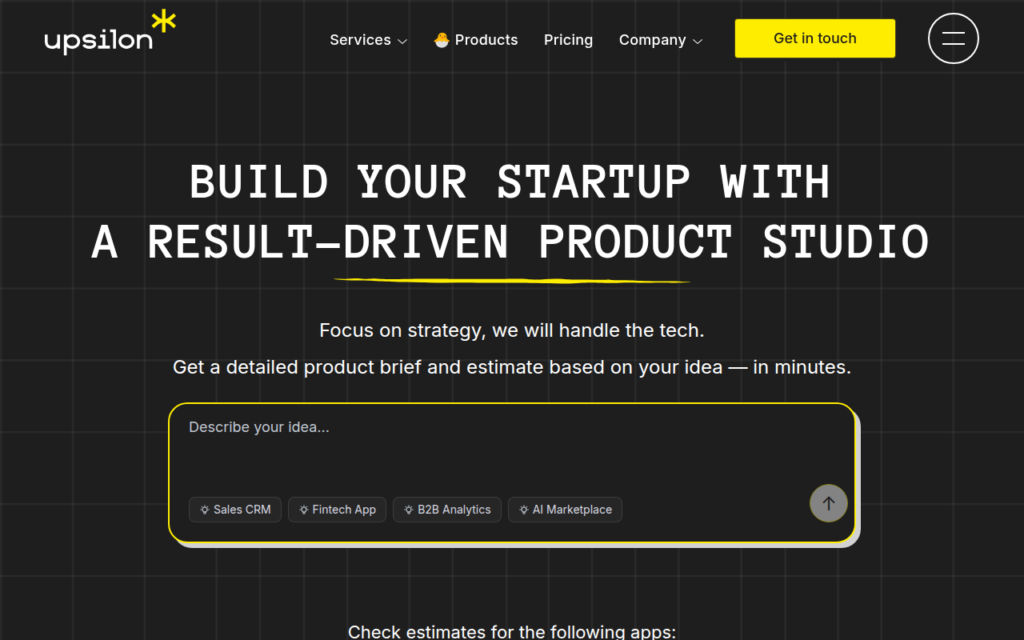
Upsilon was founded on lean startup principles, with a mission to help growing businesses turn ideas into real products with less wasted effort. Their services include MVP development, AI integration, discovery-phase work, and staff augmentation for teams that need extra hands.
What sets Upsilon apart is how seriously they treat the discovery phase. Rather than jumping straight into code, they spend time mapping out what actually needs to be built before committing engineering hours to it. This approach tends to save money down the line by avoiding rework.
Their team also uses a modular, API-first architecture, which lets founders plug in AI models or third-party services without later rebuilding the core product.
Upsilon works best for founders who want a partner that pushes back on scope rather than building everything requested without question. The tradeoff is a slightly longer planning phase before development starts, which might not suit founders who want code shipped immediately.
4. STRV
STRV operates out of the US and Europe, building digital products for startups and scale-ups. The team is known for strong UX thinking paired with solid mobile and web development skills, and many of their MVPs come out of the validation stage production-ready rather than needing a full rebuild.
Their focus on UX from the start means founders get a product that looks and feels finished, not just functional. This matters for startups that plan to show their MVP to investors or early customers who expect a polished first impression.
STRV fits founders building consumer-facing apps where design quality affects user retention from day one. The cost reflects that design focus, so budget-conscious founders building a purely functional internal tool might find the price harder to justify.
5. Asper Brothers
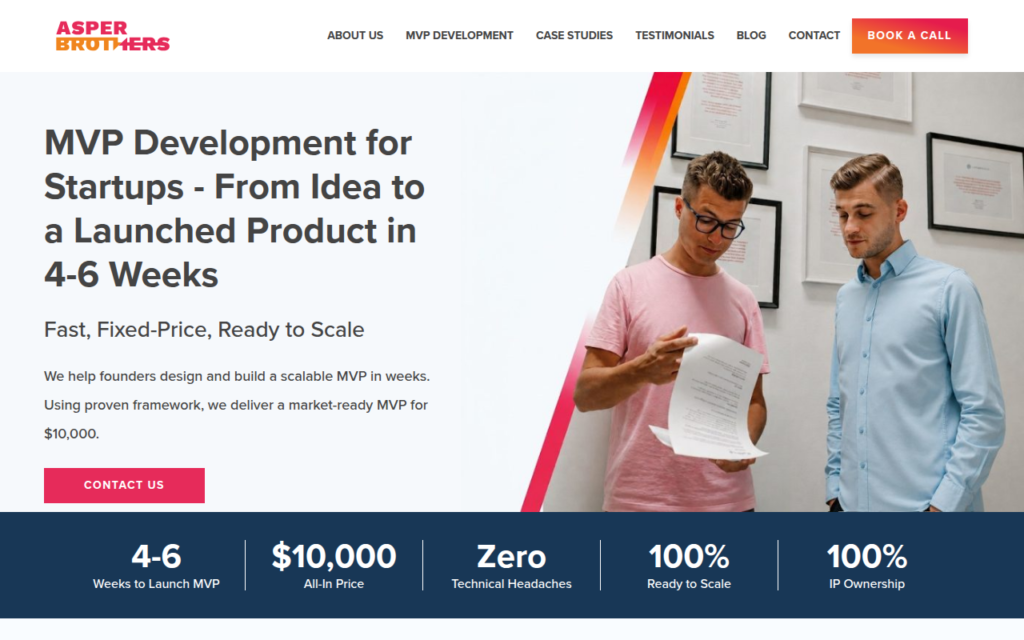
Asper Brothers built their whole model around speed, with a stated goal of taking founders from idea to launch in four to six weeks using a fixed-price structure. Their four-step MVP framework combines product thinking with engineering, and the team has delivered more than 60 MVPs across different industries.
Founded by people with entrepreneurial backgrounds, the company positions itself as someone who understands startup pressure firsthand rather than treating MVP work like any other software contract.
The fixed-price model gives founders cost certainty from the start, which matters a lot for early-stage teams running on a tight runway. Compare that to hourly billing models where costs can creep up if scope shifts mid-project.
Asper Brothers fits founders who already have a clear idea and want speed over deep strategic input. Teams still working out their core value proposition might benefit more from an agency that spends extra time on discovery before locking in a fixed scope.
6. Wavespace
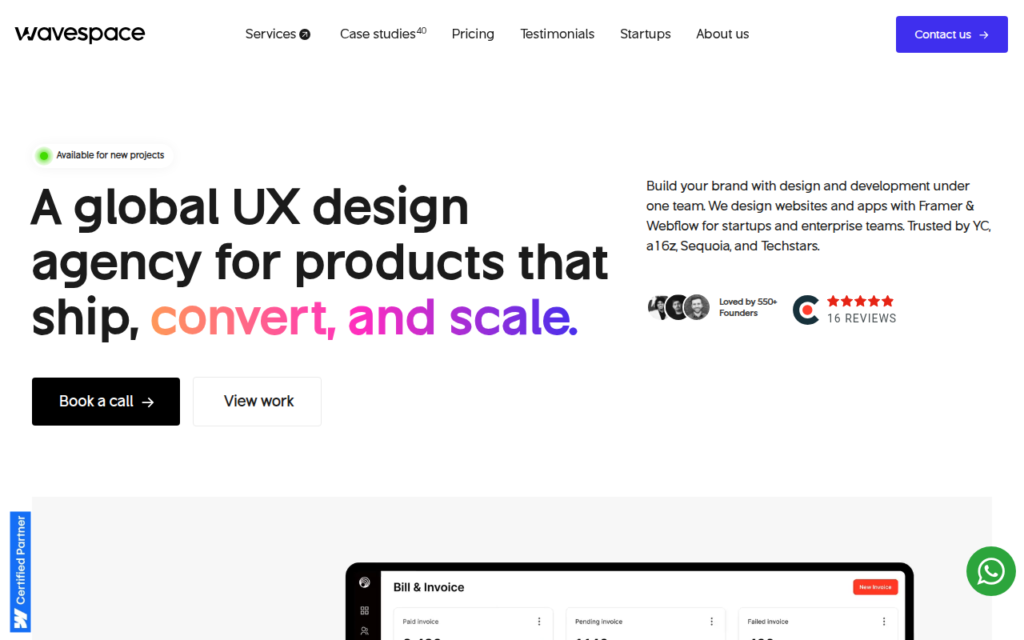
Wavespace operates as a global UI/UX design and MVP development agency, focused on helping startups and SaaS companies turn raw ideas into products people actually want to use. Their approach treats design as part of validation, not just decoration added after the functional build.
The team positions MVP development as a mix of strategy, UX, and execution speed, meaning design decisions are tested against real user behavior rather than just internal opinion.
This company fits founders who believe design quality drives early adoption just as much as feature completeness. SaaS founders in particular benefit from Wavespace’s focus on intuitive interfaces that reduce the learning curve for new users.
The tradeoff is that founders looking for the cheapest, fastest possible build with minimal design polish might find better cost efficiency elsewhere.
7. SumatoSoft
SumatoSoft is a full-cycle software company that supports founders through idea validation, product discovery, and post-launch growth, not just the initial build. Their stated goal is to act as a long-term technical advisor rather than a one-time vendor.
This makes SumatoSoft a strong fit for founders who want to maintain continuity beyond the MVP stage. Many agencies hand off the product after launch and move on, but SumatoSoft builds analytics and roadmap planning into their offering from the start.
Pricing reflects the broader scope of services, since you are paying for strategic input alongside development work. Founders who already have a clear roadmap and just need execution might not need the extra layer of strategic support this company provides.
8. Brocoders
Brocoders stands out for openly discussing scope discipline, going so far as to publish a five-question framework founders can use to test any agency before signing a contract. Their core argument is that the biggest failure mode in MVP development is not bad code; it is building the wrong things well.
The team challenges client requests rather than building everything asked for without pushback. They argue that good MVP partners remember which features they cut and what happened after, while weaker ones just track which tickets got closed.
This transparency-first approach fits founders who want a partner that will tell them when an idea needs trimming. Founders who already know exactly what they want built and don’t want pushback on scope might find this partnership style less comfortable.
9. TRIARE

TRIARE builds MVPs around a clear business hypothesis, starting with user interviews and pain-point research before any wireframes are drawn. Even early releases often include admin panels and analytics rather than leaving those pieces for a later phase.
Their argument is that most budget losses in MVP projects don’t occur during the build itself. It happens because of weak validation work or overbuilding features nobody asked for before the product even launches.
TRIARE fits founders who want their MVP treated as a real business experiment, not just a checklist of features to ship. The structured discovery process takes more upfront time, so founders in a rush to launch something basic might prefer a faster, lighter-touch agency.
10. Innowise
Innowise has been building software for more than 19 years, giving them a long track record across diverse product types and industries. Their advantage becomes apparent after the MVP stage, as they can take an early build and grow it into a full-featured product without starting from scratch.
This long-term capability matters for founders who plan to keep working with the same team well past the first launch. Switching development partners mid-growth can cause delays and knowledge loss, so working with a company built for the long haul reduces that risk.
Innowise fits founders who want a stable, experienced partner for both the MVP and everything that comes after it. Very early-stage founders who just need a quick, cheap prototype might find a smaller, more specialized shop a better short-term fit.
11. ELEKS
ELEKS has delivered more than 1,000 projects over 30 years, working with Fortune 500 clients and serving complex industries like fintech, healthcare, energy, and logistics. Their client list includes names like DPD and Drax, putting them firmly in the enterprise tier of MVP and software partners.
This depth of experience makes ELEKS a strong choice for founders building in regulated or technically complex spaces, where compliance and security can’t be an afterthought. Their work on a retail shareholder app, for example, involved real challenges around how people wanted to interact with sensitive financial data.
ELEKS fits mid-to-large companies or well-funded startups needing serious technical depth from day one. Bootstrapped founders with a simple product idea and a small budget will likely find this company’s pricing out of reach.
12. Vention
Vention builds custom software across fintech, healthtech, and e-commerce, working with clients like ClassPass, Mount Sinai, and Slice. Their focus on regulated industries means they bring built-in experience with the compliance requirements for handling financial or medical data.
This matters a lot for fintech and healthtech founders, where getting security and regulatory details wrong can delay launch or create legal risk down the line. Working with a team that already understands HIPAA or financial compliance saves time compared to educating a generalist team from scratch.
Vention fits founders building in these specific regulated spaces who need a partner with direct prior experience. Founders outside fintech or healthtech might not need this level of specialized compliance knowledge and could find better value with a more general-purpose agency.
13. Chisel
Chisel describes itself as a design-oriented MVP firm, built around the idea that strategic design and user experience drive product success just as much as the underlying code. Their process includes prototyping, user testing, and iterative cycles to build something market-ready, not just something that looks good on paper.
The team helps founders prioritize the features that matter most, cutting unnecessary development spend on things users won’t actually value. This kind of feature triage can save real money for founders who tend to over-scope their first version.
Chisel fits founders who see design and user research as core to validation, not a final polish step. Teams that already have strong internal product instincts and just need raw build capacity might not need this level of design-first guidance.
14. Superside
Superside isn’t a typical MVP development shop. The company operates on a subscription-based creative services model, bringing together more than 700 creative professionals across 60 countries to help startups build production-grade branding, UI/UX, and marketing assets.
This makes Superside a strong complement for founders who already have engineering covered but need design and brand assets to match. Pitch decks, go-to-market visuals, and polished interfaces all fall under their scope.
Founders working toward investor pitches or early customer launches often need these creative assets fast, and Superside’s subscription model lets startups scale design support up or down without hiring a full in-house creative team.
This company fits best as a design partner alongside a separate engineering team, not as a standalone MVP builder. Founders who need full-stack code written from scratch should pair Superside with a development-focused partner rather than expecting them to cover engineering work.
15. Mercury Development
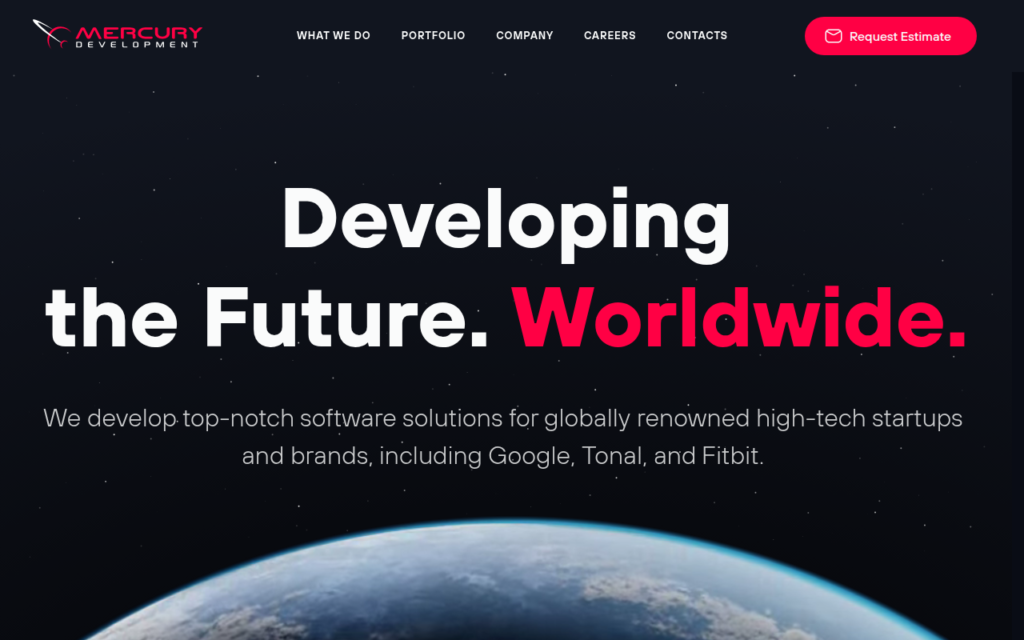
Mercury Development focuses on enterprise-grade MVP solutions and works with both startups and established organizations across multiple industries. Their experience spans larger, more complex builds than those of some of the smaller boutique shops on this list.
This makes Mercury a fit for founders backed by serious funding who need a build that can handle scale from the start, rather than a lightweight prototype meant only for early testing.
The tradeoff with enterprise-focused teams is usually cost and process overhead. Founders working with a small budget or needing a quick, scrappy MVP to test a rough idea might find a leaner agency more practical.
16. DockYard
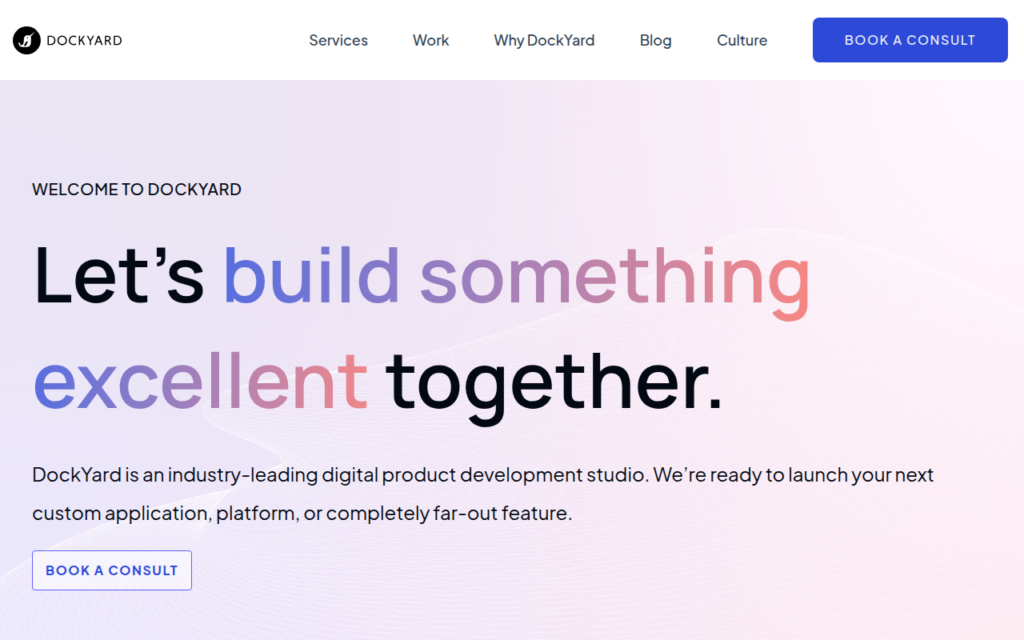
DockYard specializes in digital product development and MVP creation for both startups and larger enterprise organizations. Their range spans project sizes, giving founders some flexibility depending on where their company stands.
Working with a team experienced across both startup and enterprise clients means DockYard can usually scale their process up or down based on what a given project actually needs, rather than applying one fixed template to every client.
Founders should still confirm current case studies and reviews before committing, since broader-range agencies like this can vary in how closely the small-team experience matches what gets advertised. Direct conversations with their team about similar past projects will give the clearest picture of fit.
17. Sidebench
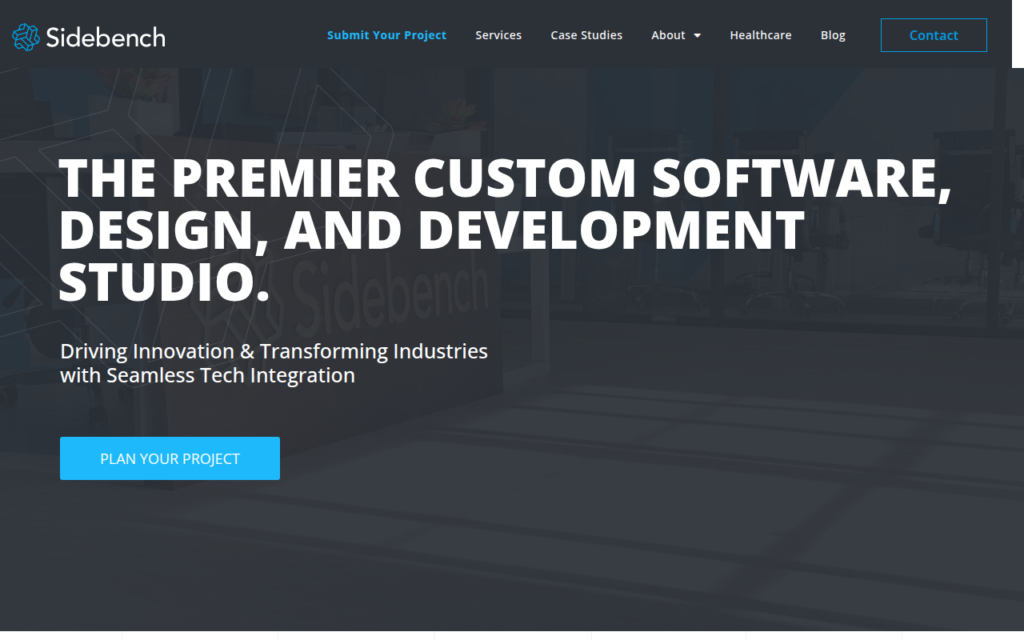
Sidebench centers its process on user-centered validation, helping startups confirm real demand before committing to a full build. Product design plays a heavy role in their approach, with research baked into the early stages rather than treated as optional.
This focus benefits founders who aren’t fully confident in their initial product assumptions and want a partner that pressure-tests the idea with real users before locking in a final feature set.
Sidebench fits founders early in their validation process who want research-backed confidence before spending heavily on development. Founders who already have strong market validation and just need fast execution might find a build-focused agency more efficient.
18. Cheesecake Labs
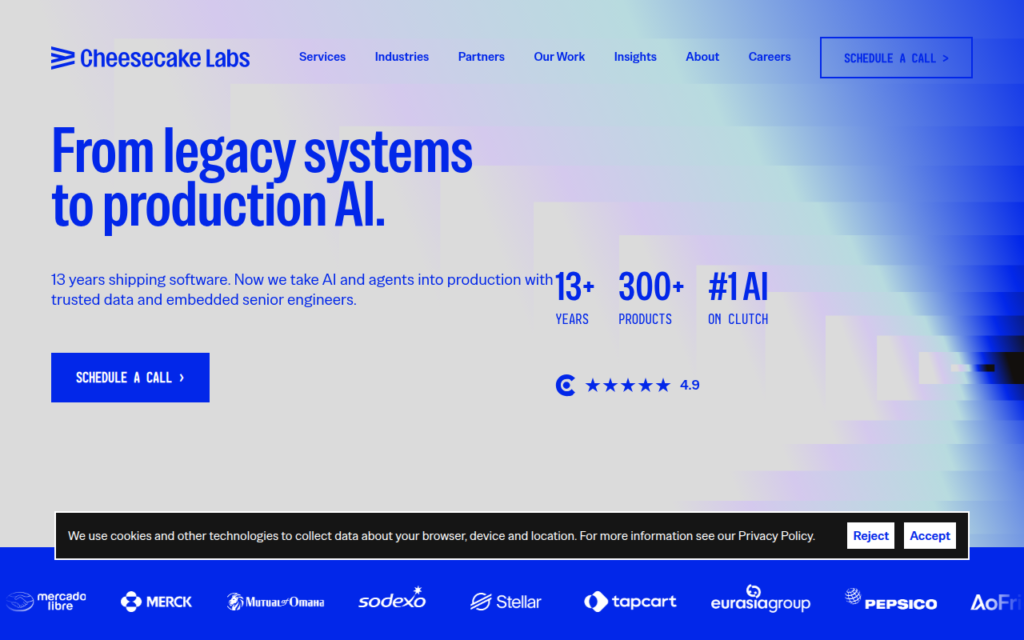
Cheesecake Labs builds mobile and web MVPs for startups, with a footprint spanning both the US and Brazil. This cross-border setup often gives founders some flexibility with budget, since teams can blend US-based project management with cost-effective offshore development.
Mobile-first founders in particular benefit from a team with dedicated experience shipping apps across iOS and Android, rather than treating mobile as an afterthought to a web-first build.
This company fits startups building consumer apps that need both platforms covered well. Founders building a web-only product might not need the dedicated mobile expertise this team brings.
19. TouchZen Media
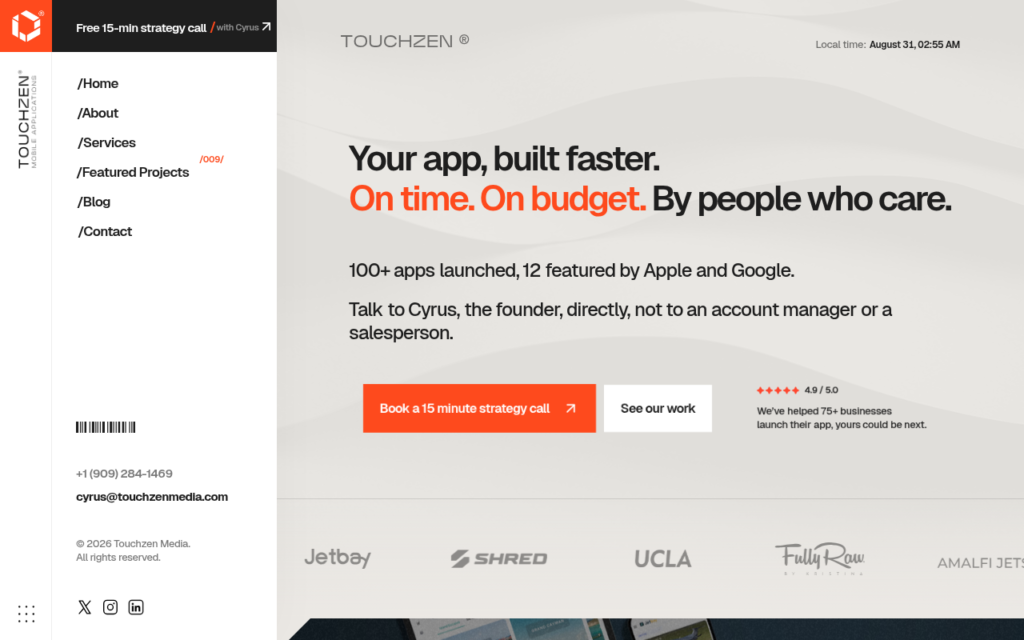
TouchZen Media has shipped more than 75 apps, with 12 of them featured by Apple or Google. Their team has worked with clients such as UCLA and Beachbody, building iOS, Android, and Flutter apps with React Native. They run a senior-only team model, meaning founders work directly with experienced developers rather than junior staff learning on the job.
Pricing sits in the $40,000 to $100,000 range, reflecting the senior-level talent involved. This fits founders with a solid budget who specifically need a mobile app built right the first time, without the risk of inexperienced developers making costly mistakes.
Founders on a tighter budget or building a web-first MVP probably won’t get full value from TouchZen’s mobile-specific, senior-heavy pricing structure.
20. Quixta
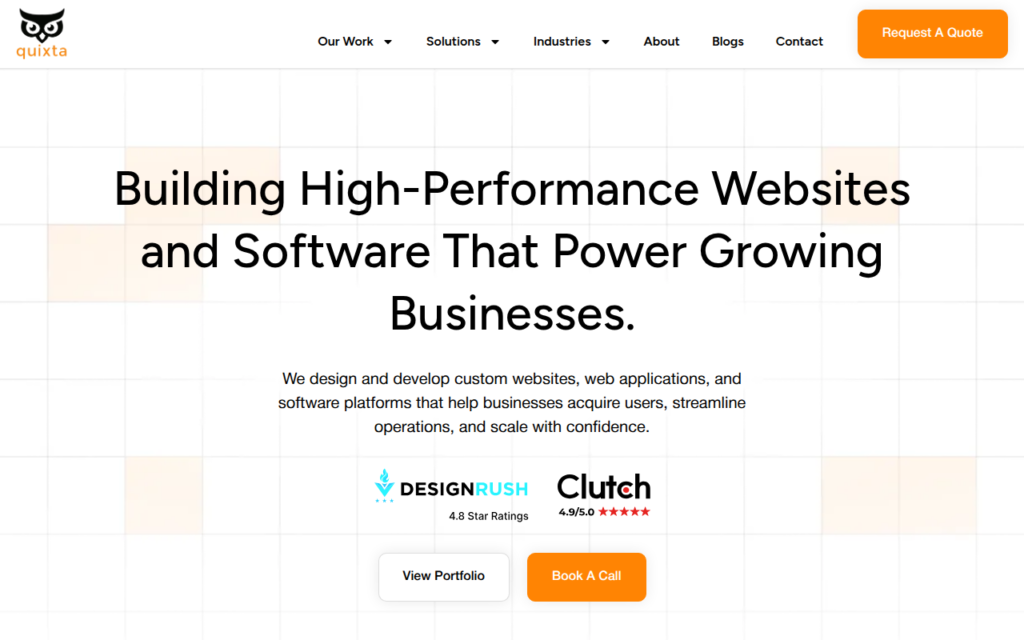
Quixta rounds out the list as one of the more affordable full-cycle options, building custom web apps and MVPs using React, Node.js, and Django. Their client base spans healthcare, logistics, and edtech, with developers covering fintech and real estate work as well.
Client feedback points to a team that handles custom design requests with confidence and remains communicative even when minor delays arise during a project. This kind of responsiveness matters a lot to founders who need regular updates without having to chase their dev team for status reports.
Quixta fits startups and small businesses that need affordable, full-cycle web development without enterprise-level pricing. Founders building something highly complex or requiring deep compliance expertise in a regulated industry might need a more specialized partner instead.
Common MVP Pricing Models Explained
Before you pick a company, it helps to understand the different ways MVP agencies structure their pricing. The model you choose affects your budget risk just as much as the hourly rate does.
Fixed-price contracts lock in a total cost before work starts. This model works well when your scope is clear and unlikely to change.
Asper Brothers is a good example of a company built around this model, since their four- to six-week timeline depends on a tightly defined, agreed-upon feature list.
The risk with fixed-price work comes up when you want to add features mid-project, since changes usually require a new quote or a change order.
Time-and-materials billing charges you for the actual hours worked, usually tracked weekly or monthly.
This model gives you more flexibility to adjust scope as you learn more about your product, but it also means your final cost is less predictable at the start.
Companies like Netguru and ELEKS, which often handle larger, more complex builds, tend to lean on this model, since enterprise projects rarely remain perfectly static from kickoff to launch.
Dedicated team models work differently from both of the above.
Instead of paying per feature or per hour, you pay a monthly rate for a set team, often a developer, a designer, and a project manager, who work exclusively on your product.
This fits founders who expect ongoing work past the first MVP release and want a stable team rather than a project that wraps up and disappears after launch.
A few companies, including MVPfy, the startup-focused product studio, blend these models depending on project stage. Early discovery and design work might run on a smaller fixed engagement, while ongoing development shifts to a dedicated team setup once the roadmap solidifies. Ask any company you’re considering which model they default to and whether they’re open to adjusting it based on your situation.
What a Typical MVP Timeline Looks Like?
Knowing what to expect timeline-wise helps you set realistic goals with whichever company you choose.
Discovery and planning usually take one to three weeks.
This phase covers user research, defining the core feature set, and mapping out the technical approach. Skipping this step to save time often costs more later, since teams end up building features nobody asked for or missing a key piece of the puzzle.
Design work, including wireframes and a clickable prototype, typically runs another two to four weeks depending on how many screens or user flows your product needs. Some companies run design and early backend setup in parallel to save time, which is worth asking about if speed matters to you.
Development is the longest phase, usually taking 6 to 12 weeks for a standard MVP. Complex products with real-time features, multiple user roles, or heavy third-party integrations can stretch past that range. Simple single-feature apps sometimes ship faster, in as little as four to six weeks with a focused team.
Testing and launch prep add another one to two weeks, covering bug fixes, basic security checks, and getting your app ready for app store submission if it’s a mobile product.
Add it all up, and most MVPs take between two and four months from kickoff to launch.
Be careful with any agency that promises a finished product in under three weeks unless your scope is extremely narrow, since rushed timelines often mean cutting corners on testing and stability.
Questions to Ask During Your First Call
A strong first call with a potential MVP partner tells you a lot about how the rest of the relationship will go. A few questions worth asking directly:
Ask how they handle scope changes once development starts. Their answer reveals whether they have a clear process or whether changes turn into friction and surprise costs.
Ask for an example of a feature they talked a past client out of building. Companies that can answer this clearly are usually more thoughtful about what actually belongs in an MVP versus what can wait.
Ask who you’ll be working with day to day, and whether that person changes once the contract is signed. Some companies put senior staff on sales calls and then hand the actual work to a less experienced team once you sign.
Ask what analytics or tracking gets built into the MVP from day one. Without this, you won’t have real data to guide your next round of decisions after launch.
Last, ask what happens if you want to bring development in-house or switch vendors after the MVP ships. A good partner should make that transition straightforward, with clean documentation and full code ownership handed over without resistance.
How to Choose a Good MVP Developemnt Company Between Them?
The right choice depends on three things: your budget, your industry, and how much guidance you need on what to actually build.
If your budget is under $20,000, consider companies like Quixta or MVPfy’s lower-tier engagement options, which fit smaller, early-stage runways better than enterprise-focused firms like ELEKS or Vention.
If you’re building in a regulated industry like fintech or healthtech, prioritize companies with direct experience in that space. Vention and ELEKS both bring relevant compliance background that generalist agencies might lack.
If you don’t have a clear product spec yet and need help figuring out what to build, choose an agency that leads with discovery work, like Upsilon, TRIARE, or MVPfy’s design and development team. Agencies that jump straight into fixed-price builds, like Asper Brothers, work better once your scope is already locked in.
If design quality matters as much as function, especially for consumer-facing products, look at Chisel, Wavespace, or STRV. Their process treats UX as part of validation, not an afterthought.
US-based teams generally cost more but offer easier time zone overlap and sometimes stronger compliance familiarity for US regulations.
Offshore teams in Eastern Europe or South Asia often cost less per hour but require more deliberate communication planning.
Red Flags to Watch For When Hiring an MVP Company
A few warning signs should make you pause before signing a contract with any MVP development company.
Vague pricing is one of the biggest red flags. If a company won’t give you a rough range before a sales call, or keeps shifting numbers without clear justification, that often signals scope creep down the line.
Watch out for any company unwilling to put the agreement in writing. A signed contract should cover timeline, deliverables, payment milestones, and what happens if deadlines slip.
Ask directly about code ownership. Some companies retain rights to reusable components or frameworks they built, which can create problems later if you want to switch developers or scale the product yourself. Get this in writing before development starts.
Be cautious of agencies that won’t share references or connect you with past clients. A company confident in their work usually has no problem letting you talk to a few former clients about their experience.
Last, watch how a company handles your first few questions during the proposal stage. Slow, vague, or generic responses now usually predict how communication will go once the contract is signed and the real work begins.
Mistakes Founders Make When Hiring an MVP Company
Even with a solid shortlist, founders fall into a few common traps when picking a development partner.
One mistake is choosing the cheapest option without checking why the price is so low. Sometimes a lower rate just reflects a lower cost of living in the developer’s region, which is a fair tradeoff.
Other times it means junior developers, less testing, or a team stretched across too many clients at once. Ask directly about team experience level and how many other projects they’re running alongside yours.
Another mistake is skipping a written contract because the relationship feels casual or friendly during early calls. Even a strong rapport with a sales rep doesn’t protect you once development begins and disagreements arise over scope or deadlines.
Get terms in writing every time, no matter how smooth the first few conversations feel.
Founders also sometimes hire a generalist agency for a highly specialized product, like a healthcare app with strict compliance needs, just because the generalist quoted a lower price. This often leads to costly rework once compliance gaps surface late in the process. Paying more upfront for direct industry experience usually saves money compared to hiring a cheaper team to learn your industry’s rules from scratch.
A related mistake is treating the MVP build as a one-time transaction instead of the start of an ongoing relationship.
Many founders need quick iterations after launch based on real user feedback, and switching to a brand-new team for the next phase adds delay and cost. Asking about post-launch support before you sign saves you from this problem later.
Last, some founders skip checking references entirely, relying only on a polished portfolio site.
A quick call with two or three past clients, even a short fifteen-minute conversation, often reveals more about how a company handles deadlines, communication, and unexpected problems than any case study ever will.
Conclusion
The 20 companies on this list cover a wide range of budgets, industries, and working styles. MVPfy stands out for founders who want strategy, design, and development handled together from day one, especially if you’re still shaping your product idea.
Larger firms like Netguru and ELEKS fit founders with bigger budgets and more complex technical needs, while companies like Quixta and Asper Brothers serve founders who need fast, affordable execution on a clearly defined scope.
Match your choice to your budget, your industry, and how much help you need figuring out what to build, and you’ll set your MVP up for a much smoother launch.
FAQ
What does an MVP development company typically charge?
MVP development cost usually ranges from $15,000 for a simple build to $100,000 or more for complex products in regulated industries like fintech or healthcare. Most mid-complexity MVPs fall between $30,000 and $80,000 depending on features and integrations.
How is an MVP company different from a software development agency?
An MVP company focuses specifically on early-stage product validation, often including discovery work, feature prioritization, and rapid iteration. A general software agency might handle the same coding work but without the same focus on testing assumptions before scaling.
Should I choose a local or offshore MVP company?
Local or US-based companies often cost more but make real-time communication and compliance work easier. Offshore companies can significantly reduce your build cost, though you’ll need a plan to handle time zone gaps and clear written communication of requirements.